

Commercial construction is a broad field that involves the building of structures used for business purposes. This includes everything from offices and retail spaces to industrial facilities and institutional buildings. A key aspect of this industry is the use of specialised construction products that cater to the unique needs of commercial projects. This article delves into the various types of commercial construction products, their applications, and their importance in the construction industry.
Types of Commercial Construction Products
Commercial construction products can be categorised into several main groups: structural materials, exterior products, interior finishes, mechanical systems, and specialised equipment.
Structural Materials
Structural materials form the backbone of any commercial building. They provide the necessary strength and stability to the structure. Key structural materials include:
- Concrete: Used extensively for foundations, floors, and structural frameworks. It is prized for its strength, durability, and versatility.
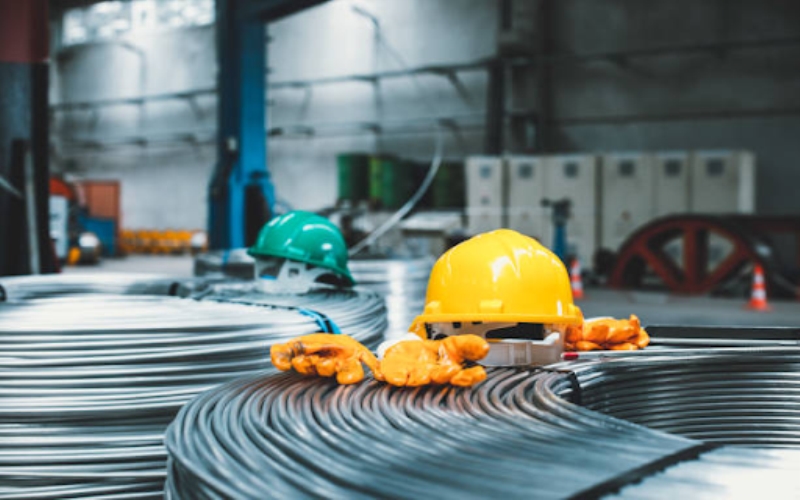
- Steel: Commonly used in the construction of high-rise buildings and large industrial structures. Steel provides excellent tensile strength and is capable of supporting heavy loads.
- Wood: Although less common in large commercial projects, wood is used in smaller buildings and for specific structural elements like beams and trusses.
Exterior Products
The exterior of a commercial building is crucial for both aesthetic appeal and functional performance. Exterior products include:
- Brick and Stone: These materials are often used for their durability and classic appearance. They provide excellent weather resistance and require minimal maintenance.
- Glass and Glazing: Glass is essential for modern commercial buildings, offering transparency and natural light. Advanced glazing options improve energy efficiency and safety.
- Metal Panels: Metal panels, often made of aluminium or steel, are used for their sleek appearance and durability. They are commonly found in industrial and contemporary commercial buildings.
Interior Finishes
Interior finishes enhance the functionality and aesthetics of commercial spaces. Key products include:
- Drywall and Plaster: Used for interior walls and ceilings, providing a smooth, paintable surface.
- Flooring Materials: Commercial buildings use a variety of flooring options, including carpet, tile, vinyl, and hardwood. Each type offers different benefits in terms of durability, maintenance, and appearance.
- Ceiling Systems: Drop ceilings, acoustic tiles, and other ceiling systems are used to conceal mechanical systems and improve acoustics within the building.
Mechanical Systems
Mechanical systems are vital for the comfort, safety, and efficiency of commercial buildings. These include:
- HVAC Systems: Heating, ventilation, and air conditioning (HVAC) systems are essential for maintaining a comfortable indoor environment. They also play a role in energy efficiency and air quality.
- Plumbing: Commercial plumbing systems are designed to handle high usage and often include advanced features like water-saving fixtures and automated controls.
- Electrical Systems: Electrical systems provide power for lighting, equipment, and other building systems. They must be robust and reliable to support the demands of commercial use.
Specialised Equipment
Some commercial projects require specialised equipment to meet specific needs. Examples include:
- Elevators and Escalators: Essential for multi-story buildings, providing convenient and accessible vertical transportation.
- Fire Safety Systems: Sprinklers, alarms, and other fire safety systems are critical for protecting occupants and property.
- Security Systems: Cameras, access control systems, and alarms help ensure the safety and security of commercial buildings.
Applications of Commercial Construction Products
Commercial construction products are used in a wide range of applications, each with its unique requirements. Some common types of commercial buildings include:
Office Buildings
Office buildings require materials and systems that create a productive and comfortable work environment. This includes high-quality HVAC systems, efficient lighting, and durable interior finishes.
Retail Spaces
Retail construction focuses on creating attractive and functional spaces that enhance the shopping experience. This often involves the use of large glass windows, stylish interior finishes, and advanced HVAC systems to maintain a comfortable shopping environment.
Industrial Facilities
Industrial construction requires robust and durable materials to withstand heavy use and harsh conditions. This includes reinforced concrete, steel framing, and specialised flooring systems designed for heavy machinery and equipment.
Healthcare Facilities
Healthcare construction prioritises safety, hygiene, and patient comfort. This includes the use of antimicrobial surfaces, advanced HVAC systems for air quality control, and specialised plumbing for medical gases and other needs.
Educational Institutions
Schools and universities require construction products that support a conducive learning environment. This includes durable flooring, acoustic ceiling systems, and advanced lighting and HVAC systems.
Importance of Commercial Construction Products
The choice of commercial construction products significantly impacts the quality, safety, and functionality of the finished building. Here are some reasons why these products are crucial:
Safety and Durability
High-quality construction products ensure the safety and longevity of the building. Structural materials like concrete and steel provide the necessary strength to withstand various loads and stresses. Fire safety systems protect occupants and property in the event of a fire.
Energy Efficiency
Energy-efficient products, such as advanced glazing and HVAC systems, reduce the building’s energy consumption and operational costs. This is increasingly important as energy costs rise and environmental regulations become stricter.
Aesthetic Appeal
The choice of exterior and interior finishes significantly affects the building’s appearance. Attractive materials and finishes enhance the building’s visual appeal, making it more appealing to tenants, customers, and visitors.
Functionality and Comfort
The right construction products improve the functionality and comfort of the building. For example, well-designed HVAC and plumbing systems ensure a comfortable indoor environment, while efficient electrical systems provide reliable power for lighting and equipment.
Regulatory Compliance
Commercial buildings must comply with various building codes and regulations. Using approved and certified construction products ensures that the building meets all legal requirements, avoiding potential fines and legal issues.
Conclusion
Commercial construction products are the building blocks of the modern business environment. From structural materials and exterior finishes to mechanical systems and specialised equipment, each product plays a vital role in creating safe, efficient, and attractive commercial buildings. By choosing the right products, developers and contractors can ensure the success of their projects, contributing to the growth and development of the commercial construction industry. As technology and materials continue to evolve, the future of commercial construction promises even greater advancements and innovations.
