

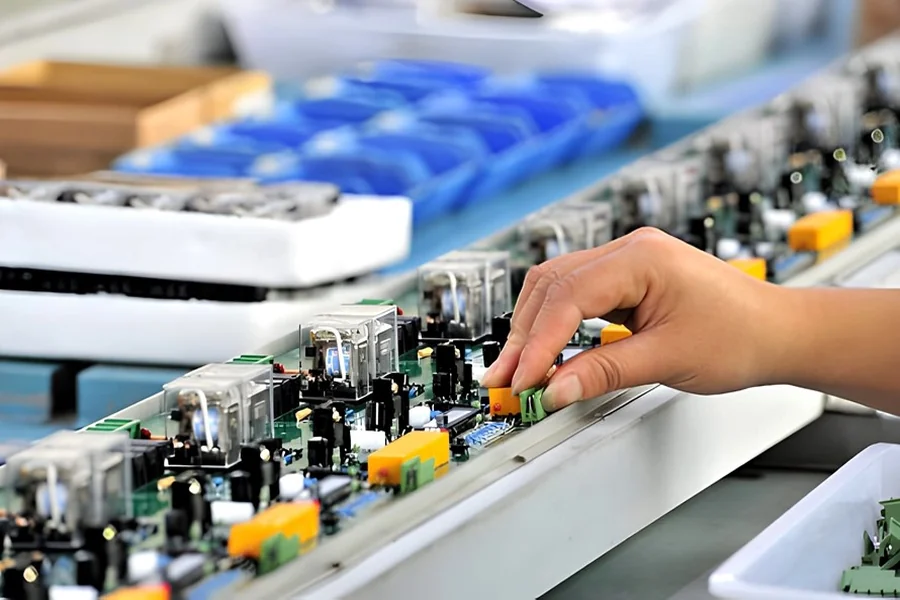
Aerospace PCB assembly plays a vital role in the development of electronic systems used in aircraft, satellites, defense equipment, and space exploration technologies. These applications demand the highest levels of reliability, precision, and performance because electronic failure in aerospace environments can lead to severe safety risks and mission failure. Aerospace PCB assembly is therefore governed by strict quality standards, advanced manufacturing processes, and rigorous testing requirements to ensure consistent performance under extreme conditions.
Importance of Reliability in Aerospace PCB Assembly
Reliability is the foundation of aerospace PCB assembly. Electronic assemblies used in aerospace systems must operate flawlessly under high vibration, thermal cycling, radiation exposure, and altitude variations. Unlike consumer electronics, aerospace assemblies are designed for long operational life with minimal maintenance. Every solder joint, component placement, and interconnection must meet exact specifications to prevent failure during operation.
Environmental and Mechanical Stress Considerations
Aerospace PCB assembly must withstand harsh mechanical and environmental stresses. Temperature fluctuations during flight or space missions can cause material expansion and contraction, while constant vibration can weaken solder joints. Aerospace-grade PCB assemblies are engineered using specialized materials, controlled assembly processes, and reinforced designs to maintain structural and electrical integrity over time.
Materials Used in Aerospace PCB Assembly
Material selection is a critical aspect of aerospace PCB assembly. High-performance laminates with stable dielectric properties are commonly used to ensure signal integrity at high frequencies. These materials also offer resistance to heat, moisture, and chemical exposure. Components used in aerospace PCB assembly are often certified for extended temperature ranges and long-term reliability, ensuring consistent performance in demanding environments.
Component Traceability and Certification
Traceability is a mandatory requirement in aerospace PCB assembly. Each component must be traceable back to its manufacturer and production batch. This level of documentation ensures accountability and allows manufacturers to address potential issues efficiently. Certified components reduce the risk of counterfeit parts and help maintain compliance with aerospace and defense regulations.
Manufacturing Processes in Aerospace PCB Assembly
Aerospace PCB assembly follows highly controlled manufacturing processes to eliminate defects and variability. Precision soldering techniques, controlled thermal profiles, and cleanroom environments are commonly used to ensure consistent quality. Assembly lines are designed to minimize contamination and handling errors, which is essential for meeting aerospace reliability standards.
Inspection and Quality Control Methods
Quality control in aerospace PCB assembly involves multiple inspection stages throughout the manufacturing process. Automated optical inspection, X-ray analysis, and manual inspection are used to verify solder joint integrity and component placement. Functional testing ensures that the assembled PCB performs exactly as intended before it is approved for deployment in aerospace systems.
Standards and Compliance in Aerospace PCB Assembly
Compliance with international standards is a defining feature of aerospace PCB assembly. Manufacturers must adhere to strict quality management systems and industry-specific certifications. These standards ensure consistency, safety, and traceability across the entire production lifecycle. Documentation, process validation, and regular audits are integral to maintaining compliance and customer confidence.
Long-Term Performance and Lifecycle Management
Aerospace PCB assembly is designed with long-term performance in mind. Products often remain in service for decades, making durability and repairability important considerations. Assemblies are built to support maintenance, upgrades, and system integration over extended operational lifecycles without compromising reliability.
Applications of Aerospace PCB Assembly
Aerospace PCB assembly is used across a wide range of applications, including avionics systems, navigation controls, communication modules, flight control units, radar systems, and satellite electronics. Each application has unique performance requirements, but all share the need for precision manufacturing and uncompromising quality standards.
Critical Role in Safety and Mission Success
In aerospace systems, electronic assemblies directly impact safety and mission success. Aerospace PCB assembly ensures that complex electronic architectures function accurately in real-time environments. This reliability enables pilots, operators, and mission controllers to trust the systems that support navigation, communication, and control functions.
Challenges in Aerospace PCB Assembly
Aerospace PCB assembly presents unique challenges due to complex designs, low tolerance limits, and stringent regulatory requirements. Managing advanced layouts, high-density components, and specialized materials requires extensive expertise and process control. Manufacturers must continuously invest in technology, training, and quality systems to meet evolving aerospace demands.
Selecting the Right Aerospace PCB Assembly Partner
Choosing the right manufacturing partner is essential for aerospace PCB assembly projects. An experienced partner offers robust quality systems, proven process control, and deep understanding of aerospace requirements. Clear communication, engineering support, and transparent documentation are crucial for achieving consistent results in mission-critical applications.
Conclusion
Aerospace PCB assembly is a specialized manufacturing discipline that demands precision, reliability, and strict adherence to quality standards. From material selection to inspection and testing, every step is designed to support long-term performance in extreme environments. By partnering with a trusted provider offering China PCB assembly, aerospace companies can achieve high-quality production, cost efficiency, and scalable manufacturing while maintaining the rigorous standards required for aerospace and defense applications.
